 (503) 655-9977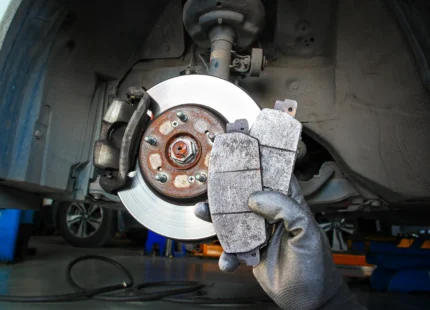
Your brakes are the most important safety feature on your vehicle. Every time you press that pedal, you’re trusting your brake system to bring you and your passengers to a safe stop.
But here’s the thing: brakes don’t fail all at once. They wear down gradually, and by the time you notice a serious problem, you might already be in a dangerous situation.
Uncle Al’s Automotive has helped countless drivers catch brake problems early, saving them money and keeping them safe with professional brake system inspections.
What Does a Brake Inspection Actually Include?
A full brake inspection is a comprehensive process designed to leave no stone unturned. Because your safety deserves more than a quick glance, we go far beyond a simple visual check:
- Brake Pad & Rotor Measurement: We measure your brake pads and examine each rotor carefully for grooves, scoring, or uneven wear patterns. Then we measure your rotor thickness to make sure it’s above the minimum specification for your vehicle.
- Caliper & Wheel Cylinder Testing: We test your calipers and wheel cylinders to make sure they apply the correct pressure and release smoothly. Malfunctioning calipers can cause uneven brake pad wear, dragging brakes, or reduced stopping power.
- Brake Line & Hose Inspection: Over time, brake lines and hoses can develop corrosion, cracks, and leaks. Gladstone OR’s wet weather can accelerate this deterioration, making regular inspections essential.
- Brake Fluid Evaluation: Brake fluid is hygroscopic, meaning it absorbs moisture over time. As moisture builds up in your fluid, it lowers the boiling point and degrades braking performance. During our inspection, we test your brake fluid’s condition and moisture content.
- Parking Brake Assessment: Your parking brake needs to hold your vehicle securely, especially on the hills and inclines common around Gladstone OR.
- Master Cylinder & Brake Booster Check: The master cylinder maintains brake fluid pressure, while the brake booster provides power assist so you don’t have to press the pedal with all your strength. We make sure both are functioning correctly for smooth, effective braking.
How Long Does a Brake Inspection Take?
A thorough brake system inspection typically takes about 30 to 45 minutes, depending on your vehicle. When you book an appointment with us for brake inspection services, we’ll provide you with an estimated timeframe and do our best to minimize your wait.
What Happens After My Brake Inspection?
If your brakes are in good shape, we’ll tell you. We’re not in the business of selling repairs you don’t need. If work is required, we’ll explain your options clearly.
Important note: you might notice some sounds during the break-in period after brake service. Some noises from your brakes are normal for up to 1,000 miles after a repair or replacement. These can include light grinding or mild squealing as the new pads sit against the rotors.
However, any noises that persist after this break-in period should be evaluated by our team.
Warning Signs You Need a Brake Inspection Right Away
- Dashboard Warning Light: Modern vehicles have brake warning lights for a reason. If your brake light or ABS light comes on, schedule a brake inspection as soon as possible.
- Unusual Sounds: If you hear squealing or scraping when you apply your brakes, don’t ignore it. A high-pitched squeal often indicates your brake pads are getting thin. Grinding sounds are more serious. They usually mean your pads have worn through completely, and metal is now grinding against metal.
- Vibrations or Pulsing: When you feel vibration through your brake pedal or steering wheel as you slow down, this typically points to warped rotors. Rotors can become warped from excessive heat, especially if you’ve been driving aggressively or braking hard while going down steep hills.
- Soft or Spongy Pedal: Your brake pedal should feel firm when you press it. If it feels soft, spongy, or sinks closer to the floor than usual, this could indicate air in your brake lines, a leak somewhere in the system, or problems with your master cylinder.
- Pulling to One Side: If your vehicle pulls to the left or right when braking, something is causing uneven braking force. This could be a stuck caliper, uneven brake pad wear, or problems with your brake hoses.
Call now or leave your information below and we’ll call you back shortly.
*During normal business hours. After hours requests will be returned the following day.
How Often Should I Get Brake Inspections?
We generally recommend having your brakes inspected at least once a year or every 12,000 miles, whichever comes first.
However, your brakes don’t have a set lifespan. They can wear out after 18,000 miles or last up to 60,000 miles. It all depends on how and what you drive.
We also recommend getting a brake inspection whenever you have other routine maintenance done, like tire rotations or oil changes. This way, you’re staying on top of potential issues without making extra trips to the shop.
How to Keep Your Brakes in Top Shape
Between inspections, there are things you can do to extend the life of your braking system and keep it performing at its best:
- Practice smooth braking whenever possible, and maintain a safe following distance so you’re not constantly hitting the brakes hard.
- Getting regular brake fluid checks and replacement every two years or 25,000 miles helps prevent moisture buildup that leads to corrosion and reduced efficiency.
- Most importantly, never ignore warning signs. That squealing noise or slight pulling sensation might seem minor today, but early intervention can prevent more extensive damage tomorrow.
Schedule Your Inspection Today
Your brakes work hard every single day, and they deserve attention from professionals who understand the complexity and importance of your braking system.
Our team in Gladstone OR is ready to help, whether you’re due for a routine brake system inspection or you’ve noticed warning signs that concern you. We take pride in honest evaluations, quality repairs, and getting you back on the road safely.
So don’t wait until a small brake problem becomes a big safety concern. Contact us today to schedule your comprehensive brake inspection and experience the peace of mind that comes from knowing your vehicle can stop when you need it to.