 (503) 655-9977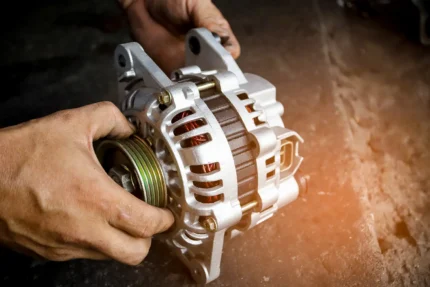
Your car’s alternator is an essential component that keeps your battery charged and powers everything from your headlights to your radio while you drive. So when it starts to fail, it can leave you stranded at the worst possible moment.
The experienced mechanics at Uncle Al’s Automotive specialize in alternator repair and replacement, helping Gladstone OR-area drivers get back on the road quickly and safely.
Our ASE-certified mechanics will thoroughly evaluate your alternator and provide honest recommendations based on what makes the most sense for your situation. We’ll never push unnecessary repairs or replacements. Our goal is keeping you safely on the road at a fair price.
When you experience alternator issues in the Gladstone OR area, the skilled technicians at Uncle Al’s Automotive are ready to help. We use professional-grade diagnostic equipment to accurately identify problems and provide reliable repairs that get you back on the road with confidence.
What Does an Alternator Do?
Think of your alternator as your vehicle’s personal power plant. While your battery provides the initial jolt needed to start your engine, the alternator takes over once your car is running. It generates electricity to power all your vehicle’s electrical systems and continuously recharges your battery as you drive.
Without a properly functioning alternator, your battery would drain completely within minutes of starting your car.
When to Call a Professional
While some car maintenance tasks are suitable for DIY enthusiasts, alternator repair typically requires professional expertise. You should schedule an appointment with Uncle Al’s Automotive when:
- Your battery warning light illuminates and stays on. This indicates your vehicle’s computer has detected a charging system problem that needs professional diagnosis.
- You’ve replaced your battery recently but continue experiencing starting problems or electrical issues. This pattern strongly suggests alternator trouble.
- You hear grinding, whining, or other unusual sounds from under the hood. These noises can indicate bearing failure, which will eventually cause complete alternator breakdown if not addressed.
Should I Repair or Replace My Alternator?
Minor issues like worn brushes or a faulty voltage regulator can sometimes be repaired, extending your alternator’s life at a lower cost than full replacement. However, if the internal bearings have failed or the unit has suffered significant damage, alternator replacement becomes the more practical choice.
How Often Should Alternators Get Maintenance or Checked?
Unlike oil changes or tire rotations, alternators don’t require regular scheduled maintenance. However, having your charging system inspected during routine service visits helps catch potential problems before they leave you stranded.
We recommend requesting a charging system check if your vehicle is approaching high mileage, if you’ve noticed any warning signs, or if your battery has needed replacement.
Most alternators last between 80,000 and 150,000 miles, though this varies based on driving conditions, electrical demands, and overall vehicle maintenance. Vehicles that frequently make short trips, operate in extreme temperatures, or power numerous aftermarket accessories may experience shorter alternator lifespans.
Call now or leave your information below and we’ll call you back shortly.
*During normal business hours. After hours requests will be returned the following day.
How Do You Know If Your Alternator Is Bad?
Here are signs of alternator failure to watch for:
- Flickering or Dim Headlights
- Electrical Accessories Acting Up
- Unusual Sounds
- Burning Smell
- Battery Warning Light
- Frequent Dead Battery
How to Check Your Alternator
While professional testing provides the most accurate diagnosis, there are some preliminary checks you can perform at home.
Start by inspecting the serpentine belt for visible wear, cracks, or looseness. Then check your battery connections to ensure they’re clean and tight. Corrosion can prevent proper charging even when your alternator works correctly.
For a more definitive answer, you’ll need a multimeter or voltmeter. With your engine off, a healthy battery should read around 12.6 volts. Then start the engine and check again. A functioning alternator should produce between 13.5 and 14.5 volts.
Readings significantly outside this range suggest charging system problems. However, these basic tests don’t reveal the complete picture. A professional load test checks how your alternator performs under real-world conditions and can identify problems that don’t show up in simple voltage checks.
Could It Just Be the Belt?
The serpentine belt connects your alternator to the engine and allows it to spin and generate electricity. So a worn, loose, or damaged belt can cause symptoms that mimic alternator failure.
Signs that your belt may be the issue include: squealing sounds when you start the car or accelerate, visible cracks or fraying on the belt, and a belt that appears loose or has slipped off its pulleys.
Signs of a Bad Alternator vs. Bad Battery
Signs pointing toward a battery problem include: difficulty starting your car after it’s been sitting overnight, slow engine cranking, and needing a jump start after the vehicle has been parked for extended periods. Battery issues typically develop gradually and are often related to the battery’s age. Most car batteries last three to five years.
Signs pointing toward an alternator problem include: electrical issues that occur while the car is running, a battery that dies repeatedly despite being new or recently charged, and accessories that malfunction during operation. If your car starts fine but dies while driving, or if your lights dim while you’re on the road, these are classic indicators that your alternator isn’t generating enough power.
A simple test can help determine how to tell if your alternator is bad: start your car and let it run, then carefully disconnect the negative battery cable. If your engine immediately dies, your alternator likely isn’t producing enough power to run the vehicle on its own.
However, we recommend letting a professional perform this test, as improper technique can damage sensitive electronic components in modern vehicles.
Can You Jump Start a Car with a Bad Alternator?
Yes, you can jump a car with a bad alternator, but it won’t solve your problem. Jump starting provides enough power to get your engine running, but if your alternator isn’t functioning properly, your battery won’t recharge while you drive.
Depending on your battery’s remaining charge and how many electrical systems you’re running, you might be able to drive a short distance after a jump start. However, once the battery depletes, your car will stall and won’t restart without another jump.
This is why relying on jump starts when you have a faulty alternator is risky. You could end up stranded far from help.
Trust Gladstone OR’s Alternator Repair Experts
Don’t wait until you’re stranded with a dead battery. If you’ve noticed any signs of your alternator going bad, call Uncle Al’s Automotive today to schedule an inspection.
Uncle Al’s Automotive’s commitment to quality service and fair pricing has made us a trusted choice for Gladstone OR drivers. Our expert mechanics will diagnose the problem and recommend the best solution for your vehicle and budget.
Give us a call today to schedule an appointment!