 (503) 655-9977
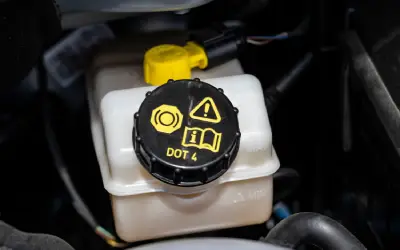
When you press the brake pedal, hydraulic fluid transfers the force of your foot straight to your wheels. Unlike worn brake pads that squeal for attention, old brake fluid degrades silently—until your pedal feels soft, your stopping distances stretch out, or internal brake components corrode from the inside out.
At Uncle Al’s Automotive, located right off McLoughlin Boulevard in Gladstone, OR, we provide thorough, manufacturer-spec brake fluid flushes, exchanges, and brake bleeding services for drivers throughout Gladstone, Oregon City, Milwaukie, and West Linn.
We test your fluid before recommending service, explain exactly what we find, and never push repairs your vehicle doesn’t need. Call us today to set up an appointment for your brake fluid replacement.
Why Brake Fluid Needs to Be Changed (Even If Your Brakes Feel Fine)
Brake fluid is hygroscopic, meaning it naturally absorbs moisture from the air over time. Even in a sealed system, microscopic amounts of humidity enter through flexible rubber brake hoses and master cylinder seals every day—a constant factor in the damp Willamette Valley climate.
As water accumulates in your brake lines, it creates two serious safety and mechanical hazards:
- Dangerously Lower Boiling Point: Clean DOT 3 or DOT 4 brake fluid has a dry boiling point above 400°F, whereas water boils at 212°F. Under heavy or repeated braking—such as descending steep local grades in West Linn and Oregon City or braking hard in stop-and-go I-205 traffic—moisture in your fluid can flash into steam. Because gas compresses while liquid does not, steam pockets cause sudden brake fade or a spongy pedal that sinks toward the floor.
- Internal Corrosion: Moisture trapped inside your hydraulic system causes rust and corrosion on expensive internal components, including brake calipers, wheel cylinders, steel brake lines, and your ABS modulator. A routine fluid exchange costs a fraction of replacing corroded ABS hardware.
Brake Fluid Flush vs. Brake Bleeding vs. “Top-Off”: What’s the Difference?
Drivers often ask whether they need a brake bleed, a top-off, or a full flush:
| Service | What It Is | When You Need It | Bottom Line |
| Topping Off | Pouring fresh fluid into the under-hood reservoir. | Temporary fix only when fluid is low (signals worn pads or a leak). | Doesn’t clean the system. Fluid doesn’t circulate, so old, wet fluid stays trapped at the wheels. |
| Brake Bleeding | Opening bleeder valves to push trapped air out of the brake lines. | After brake repairs (replacing a caliper, hose, or master cylinder). | Fixes spongy pedals, not old fluid. Purges air bubbles but leaves most contaminated fluid behind. |
| Full Fluid Flush | Pressurized exchange replacing all old fluid and air from master cylinder to all four wheels. | Every 2–3 years (24k–36k miles) or when moisture testing fails. | Complete protection. Includes full bleeding while removing moisture to prevent corrosion and brake fade. |
What’s Included in Our Brake Fluid Exchange Service
We follow a methodical, manufacturer-compliant process to protect your vehicle’s braking system:
- Electronic Moisture & Boiling Point Test: Before touching a wrench, we test your current fluid’s moisture content and boiling point so you know with certainty whether a flush is needed.
- Master Cylinder Reservoir Extraction: We evacuate old, dark fluid and built-up sediment from the reservoir before introducing fresh fluid.
- Full-System Pressure Flush, ABS Cycling & Bleed: Using professional pressure-exchange equipment, we flush fresh OEM-spec brake fluid (DOT 3, DOT 4, DOT 4 LV, or DOT 5.1) through every brake line in the manufacturer’s prescribed sequence until clean, bubble-free fluid flows from each caliper or wheel cylinder. On modern vehicles equipped with ABS and stability control, we use a bi-directional scan tool to cycle the ABS modulator valves so trapped, contaminated fluid inside the hydraulic control unit is completely purged.
- Hydraulic Line & Component Inspection: While servicing your system, we inspect brake hoses, hard lines, fittings, and bleeder valves for leaks, cracking, or moisture-related corrosion common to Clackamas County winters.
- Pedal Feel & Road Verification: We verify proper fluid levels, confirm a firm, responsive pedal height, and ensure smooth stopping performance before handing back your keys.
Call now or leave your information below and we’ll call you back as soon as possible.
Signs Your Vehicle Needs a Brake Fluid Flush
Because brake fluid breaks down gradually, it’s easy to miss early changes in braking feel. Schedule a fluid check if you notice any of the following:
- Soft, Spongy, or Low Brake Pedal: A pedal that feels mushy or travels farther than normal before engaging often points to air or moisture-induced vapor in the lines.
- Dark or Cloudy Brake Fluid: Fresh brake fluid is clear to light amber. If the fluid in your reservoir looks dark brown, murky, or black, it has absorbed moisture and begun breaking down internal rubber seals.
- ABS or Brake Warning Light: Dashboard brake alerts can be triggered by low fluid levels or pressure irregularities within the hydraulic system.
- Delayed or Inconsistent Braking Response: If your brakes feel less responsive during heavy commuting along OR-99E or long downhill stretches, heat-stressed fluid may be losing efficiency.
- Overdue by Time or Mileage: Even if your brakes feel normal today, fluid over two to three years old has likely absorbed enough moisture to compromise its boiling point.
How Often Should You Get a Brake Fluid Flush?
Most automakers recommend a brake fluid flush every 2 to 3 years or 24,000 to 36,000 miles, whichever comes first. However, your ideal interval depends on your vehicle and local driving conditions:
- Pacific Northwest Rain & Humidity: Frequent rain and year-round moisture in Gladstone accelerate humidity absorption through rubber brake hoses.
- Steep Grades, Towing, or Heavy Commuting: Frequent braking on hills around Clackamas County or towing trailers generates higher heat, placing greater stress on older fluid.
- Manufacturer Requirements: Many European and modern performance vehicles strictly require a brake fluid exchange every two years regardless of mileage.
Pro Tip: Ask us to test your brake fluid during your routine brake inspection or oil change. Checking takes just a few minutes and ensures you only service your fluid when it actually needs it.
Service Time & What to Expect at Uncle Al’s Automotive
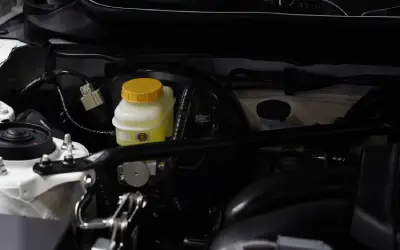
- Turnaround Time: Most brake fluid flushes take 45 to 60 minutes (additional time may be needed if older, rusted bleeder valves require extra care).
- Honest Diagnostics First: We show you the test results on your existing fluid and provide a clear, upfront estimate before performing any work.
- Certified Workmanship: Every fluid exchange is performed by ASE-certified technicians using factory-specified DOT fluids and backed by our shop warranty.
A thorough brake system inspection typically takes about 30 to 45 minutes, depending on your vehicle. When you book an appointment with us for brake inspection services, we’ll provide you with an estimated timeframe and do our best to minimize your wait.
Frequently Asked Questions About Brake Fluid Flushes
Yes. Squeaking or grinding noises come from worn brake pads and rotors, whereas brake fluid protects the internal hydraulic system that makes those pads clamp down. Waiting until you feel a soft pedal often means moisture has already started corroding internal parts.
Pricing depends on your vehicle’s make, hydraulic system capacity, and required fluid specification (such as DOT 3 vs. DOT 4 LV, or whether scan-tool ABS cycling is required). We provide transparent, upfront pricing before we begin—and brake fluid moisture testing is always included when you bring your vehicle in for a brake inspection.
We perform brake fluid flushes, exchanges, and brake bleeding on virtually all domestic, Asian, and European makes and models—including cars, trucks, SUVs, hybrids, and light-duty vans. Whether your vehicle requires standard DOT 3 or DOT 4 fluid, low-viscosity DOT 4 LV for modern stability control systems, or bi-directional scan-tool cycling for complex European ABS modules (such as BMW, Audi, Mercedes-Benz, and Volkswagen), our ASE-certified technicians follow your automaker’s exact service specifications.
We don’t recommend it. Brake fluid doesn’t burn off like engine oil; if your reservoir level is low, it usually means your brake pads are wearing thin or there is a leak in the system. Topping off the reservoir masks the underlying issue and leaves moisture-contaminated fluid inside your brake lines.
Schedule Your Brake Fluid Flush in Gladstone, OR
Clean, moisture-free brake fluid is essential for responsive stopping power and preventing brake repairs. Whether your vehicle is due for routine maintenance or your brake pedal feels spongy, Uncle Al’s Automotive in Gladstone, OR is ready to help with honest testing and expert service.
Call us today to schedule a brake fluid exchange. Same-day service appointments are often available.