 (503) 655-9977
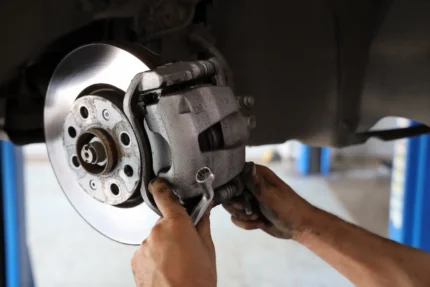
Your brakes are the most important safety feature on your vehicle. When something goes wrong with them, it puts you, your passengers, and everyone else on the road at risk. Thankfully, most brake issues give you warning signs before they become dangerous or expensive.
We understand that brake repairs can feel like an unexpected expense. But putting off brake work almost always leads to bigger problems and higher costs. When you drive with worn brake pads, you risk damaging other parts of your braking system.
The most common consequence is damaged rotors. When pads wear down completely, the metal backing plate grinds directly against your rotors. This can create deep grooves and scoring that require rotor resurfacing or complete replacement. In some cases, severely damaged rotors can even harm your calipers and brake lines.
Worn brakes also put extra stress on your tires. Uneven braking causes uneven tire wear, which means you’ll need new tires sooner. And of course, the biggest risk is to your safety. Slow response times and unpredictable braking can lead to accidents.
Warning Signs You Shouldn’t Ignore
Screeching Sound
One of the most common signs you need a brake inspection is a high-pitched screeching noise when you apply your brakes. This sound usually comes from a small metal indicator built into your brake pads.
When the pads wear down to a certain level, this indicator makes contact with your rotor and creates that unmistakable screech. Think of it as your car’s way of telling you it’s time for new brake pads.
If you’re hearing screeching but you recently had new brake pads installed, don’t ignore it. This could mean the pads weren’t installed correctly, or there might be another issue with your braking system. Cheap or low-quality brake pads can also cause noise even when they’re new.
Grinding Sounds
Sometimes the sound changes from a screech to a heavy grinding noise. When you hear grinding, it usually means your brake pads have worn down completely. At this point, metal is grinding against metal.
Driving with grinding brakes can damage your rotors quickly, turning a simple pad replacement into a much more expensive repair.
Increased Stopping Distance
Have you noticed that your car takes longer to stop than it used to? This is a clear sign your brakes need replacement or at least a thorough inspection. A slow stopping response puts you at greater risk for accidents, especially in emergency situations.
When brake pads wear thin, they can’t grip the rotors as effectively. This means you need more distance to come to a complete stop. If you’re pressing your brake pedal further than usual or pumping the brakes to get your car to stop, these are signs you need a brake repair right away.
In the rainy conditions we often experience here in the Gladstone and Portland OR metro area, good brakes are even more important. Wet roads already increase stopping distances, so worn brakes make things even worse.
Our technicians can inspect your entire braking system to find out what’s causing the problem. It might be worn pads, but it could also be an issue with your brake fluid, rotors, or other components.
Vibration Through the Brake Pedal
The way your brake pedal feels can tell you a lot about the health of your braking system. If you notice vibration or pulsing through the pedal when you apply the brakes, this often points to warped rotors. Rotors can become warped from excessive heat, which happens during heavy braking or when pads are worn too thin.
Spongy or Sensitive Braking
Another sign of brake pad wear to watch for is a spongy or soft brake pedal. A spongy pedal means your brakes won’t respond the way they should, which is dangerous. When you press down and the pedal feels mushy or sinks to the floor, there’s likely air in your brake lines or a problem with your brake fluid. This can also indicate a leak somewhere in the system.
On the flip side, brakes that grab too quickly or feel overly sensitive can also signal problems. This might mean your brake fluid is contaminated, your rotor is wearing unevenly, or you have an issue with your master cylinder. Whether your brakes feel too soft or too touchy, it’s a sign you need a brake inspection from a qualified mechanic.
Pulling to One Side
When you apply your brakes and your vehicle veers or pulls to one side, something isn’t right. This pulling sensation means one side of your braking system is working harder than the other.
Pulling usually happens when brake pads or calipers wear unevenly on one side of the car. It can also indicate a stuck caliper or a problem with your brake hose. This reduces your braking power and creates a safety hazard. You could lose control of your vehicle, especially when braking suddenly.
At our shop, we can diagnose what’s causing the uneven braking and fix it. This might involve replacing brake pads on one side, resurfacing or replacing rotors, or repairing stuck calipers and worn brake lines.
Burning Smell
Another warning sign that often surprises drivers is a burning smell after driving. If you smell something like burning carpet or see smoke coming from your wheels after a drive, your brakes may be overheating. This can happen when a caliper is stuck or when you’ve been riding your brakes heavily.
Overheated brakes can lead to brake fade, where your brakes lose their ability to stop your car. This is dangerous and needs immediate attention.
Warning Lights
Today’s cars have dashboard warning lights that alert you to brake problems. If your brake warning light or ABS (anti-lock braking system) light comes on, don’t ignore it. These lights can indicate anything from low brake fluid to a serious problem with your ABS.
Either way, it’s one of the clearest signs you need a brake inspection. Our shop has the diagnostic equipment to read your vehicle’s computer codes and find out exactly what’s triggering the warning light. Sometimes it’s a simple fix like adding brake fluid. Other times, it might require ABS diagnostics and repair or more extensive brake work.
Other Signs
If the brake pad material looks thinner than a quarter inch, it’s time for replacement. Most vehicles allow you to look through the wheel spokes to see your brake pads. You might also notice grooves, rust ridges, or uneven edges on your pads or rotors.
Another visual warning sign is finding a puddle under your car. If you spot fluid near your wheels or under the area where your brake lines run, you could have a brake fluid leak. Brake fluid is usually clear to yellowish in color and has a slightly oily texture. A leak in your brake system is serious because it can cause brake failure if not addressed quickly.
We recommend doing a quick visual check of your brakes every few months, especially if you’re approaching 30,000 miles on your current brake pads. And if anything looks off, bring your car in so we can take a closer look.
Call now or leave your information below and we’ll call you back shortly.
*During normal business hours. After hours requests will be returned the following day.
Complete Brake Services in Gladstone OR
When you bring your vehicle to our Gladstone OR shop, you get the expertise of experienced mechanics who know brakes inside and out. We offer complete brake services, including:
- Brake pad and shoe replacement
- Rotor resurfacing and replacement
- Brake fluid flush and fluid exchange
- Brake line and hose repair
- Master cylinder repair and replacement
- Anti-lock braking system diagnostics and repair
- And more!
We’ll explain exactly what’s going on with your brakes in plain English, give you honest recommendations, and get the work done right the first time.
How Long Should Brake Pads Last?
Most brake pads last around 30,000 miles, but this varies quite a bit based on how and where you drive.
If you do a lot of stop-and-go driving in traffic, your brakes work harder and wear faster. The same goes for drivers who frequently brake hard or drive in hilly areas where you use your brakes more often going downhill.
The quality of your brake pads matters, too. Higher quality pads typically last longer and perform better.
When you bring your car to us for brake service, we’ll help you choose pads that match your driving style and budget. Regular brake inspections are the best way to catch problems early. We recommend having your brakes inspected at least once a year or every 12,000 miles.
During a brake inspection, our technicians check your pad thickness, rotor condition, brake fluid level and quality, brake lines and hoses, calipers, and your master cylinder. This thorough inspection helps us spot potential problems before they become expensive repairs.
Don’t Wait Until It’s Too Late
Your brakes are too important to ignore. Catching problems early keeps you safer on the road and often saves you money on repairs.
If you’ve noticed any of the signs your brakes need replacement or repair that we’ve discussed, bring your vehicle to our Gladstone OR shop for a thorough brake inspection. Our team is committed to honest service, quality work, and keeping your vehicle safe and reliable.
Schedule your brake inspection today, and drive with confidence knowing your brakes are in expert hands.