 (503) 655-9977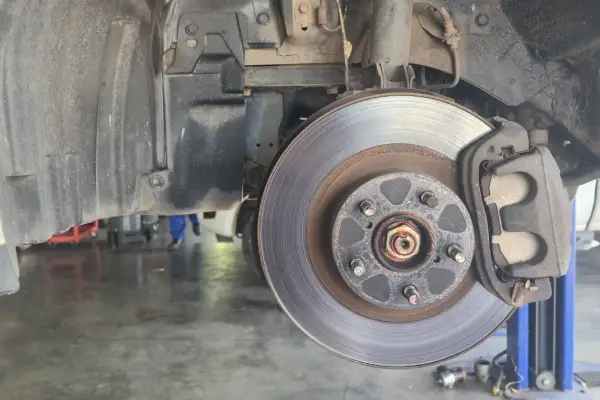
Brake Repair
Your Local Full-Service Brake Shop
Call now or leave your information below and we’ll call you back shortly.
*During normal business hours. After hours requests will be returned the following day.
Guaranteed Warranty
No fine print, no surprises. Just quality work.
Free Estimates
Get a no-obligation estimate before work begins.
Since 2000
We’ve been serving the Gladstone OR community.
Brake Repairs by Trusted Mechanics
Auto Repair in Gladstone OR
When you need reliable brake service in Gladstone OR, you want a team that values your safety and your wallet as much as you do. Hearing a high-pitched squeak or feeling a shudder when you step on the brake pedal can make your stomach drop. It’s that uneasy feeling of wondering if your car is safe to drive, not to mention the worry of how much a shop visit might cost.
Regular brake inspections are the easiest way to keep small issues from turning into major headaches. Whether you just need a routine check or a full brake replacement, Uncle Al’s Automotive is here to give you total peace of mind and get you back on the road confidently.
Call us today for a free estimate or schedule your appointment for brake repair by the experts at Uncle Al’s Automotive.
Our Brake Repair Services
Our experienced team looks at the entire system to ensure every component works together perfectly. We are equipped to handle any brake issue, from brake pad replacements to rotor resurfacing, including:
Comprehensive Brake Inspections
Thorough digital and visual evaluations of your entire braking system to catch wear and tear before it becomes a hazard.
Brake Pad & Shoe Replacement
Swapping out thin, worn pads or shoes with premium, long-lasting materials.
Rotor Resurfacing & Replacement
Smoothing out minor imperfections or completely replacing warped brake discs to eliminate steering wheel vibration.
Caliper Repair & Replacement
Ensuring the components that squeeze your brake pads are functioning smoothly without sticking or leaking.
Lines, Hoses, & Master Cylinder Repair
Fixing the critical pathways and pressure centers that send stopping power from your pedal to your wheels.
Anti-lock Braking System (ABS) Diagnostics & Repair
Troubleshooting dashboard warning lights, faulty wheel speed sensors, and ABS modules to ensure your emergency traction control works when you need it most.
Brake Fluid Flush & Fluid Exchange
Removing old, moisture-contaminated fluid and replacing it with clean fluid to maintain proper hydraulic pressure.
Signs You Should Get Your Brakes Checked
If you notice a possible brake issue, take action as soon as possible. Ignoring a brake issue can lead to damage to other components and a much more expensive repair. More importantly, your brakes are the number one safety feature protecting you, your passengers, and everyone else on the road.
If you notice any of these warning signs, it is time to have a professional look at your vehicle:
- Your vehicle pulling to one side when you apply the brakes
- It’s taking longer distances to come to a complete stop
- A sharp squealing, screeching, or grinding noise when braking
- The brake warning light illuminating on your dashboard
- A spongy or soft feeling when you press down on the pedal
- The steering wheel or brake pedal shaking or vibrating when you slow down
What Are the Individual Components of a Car’s Brake System?
Your brake system is comprised of several smaller systems throughout your car:
Actuation & Pressure
- Brake Pedal: The driver’s physical interface that initiates the stop.
- Master Cylinder: The central pump that holds the fluid and converts the mechanical force of your foot into hydraulic pressure.
Fluid & Delivery
- Brake Lines: High-pressure steel tubes and flexible hoses that route fluid from the master cylinder to each wheel assembly.
- Brake Fluid: The incompressible hydraulic fluid that transmits the stopping force through the lines.
Disc Brake Components (in Front of Most Cars)
- Caliper: The hydraulic clamp mounted over the wheel assembly.
- Brake Pads: The high-friction wearable blocks nested inside the caliper.
- Disc (Rotor): The heavy metal disc that bolts to the wheel and spins along with it. When fluid forces the caliper to squeeze the pads against this disc, friction stops the car.
Drum Brake Components (in the Rear of Some Cars)
- Drum: A metal bowl-shaped housing that rotates with the rear wheels.
- Brake Shoe: Curved metal plates located inside the drum. When you step on the pedal, hydraulic pressure forces these shoes outward against the inside of the drum to slow the vehicle down.
Ready to Get Started?
Call Now for a Free Estimate! Or leave your information below and we will get back to you as soon as possible.
Call now or leave your information below and we’ll call you back shortly.
*During normal business hours. After hours requests will be returned the following day.
Why Choose Uncle Al’s Automotive for Brake Service?
We believe in treating our neighbors from Portland to Gladstone with the honesty and respect they deserve. When you bring your vehicle to us, you get the care of a dedicated local shop backed by serious expertise:
ASE Master Certified Mechanics
Your vehicle is handled by technicians who have reached the highest level of testing and certification in the automotive industry.
2-Year / 24,000-Mile Warranty
We stand firmly behind our labor and parts, giving you long-term protection and confidence.
Free Estimates
No hidden fees or surprise costs. We tell you exactly what your car needs before we ever start working.
Serving the Community Since 2000
We have spent over two decades building a reputation for integrity and quality right here in our neighborhood.
Quality Over Quantity
We are an independent shop that takes the time to look at the details, ensuring your car gets undivided attention. We don’t believe in quotas, we believe in fixing cars.
Get a Call Back
Get Your Free Estimate
Have questions? We’re here, and ready to answer them. We’ll call you back in 30 minutes or less.
"*" indicates required fields
Schedule Your Repair Today
Don’t wait until a small squeak turns into a dangerous situation on the highway. Protect your vehicle, your passengers, and your peace of mind by letting a trusted local auto repair mechanic handle your vehicle’s stopping power.
Contact Uncle Al’s Automotive today to schedule your comprehensive brake inspection and experience the honest, high-quality care that our community has trusted for over twenty years.
FAQs
On average, brake pads last between 30,000 and 70,000 miles. This lifespan varies heavily depending on your driving habits (like stop-and-go commuter traffic vs. highway driving) and the type of brake pad material your vehicle uses.
A standard brake repair, such as replacing pads and rotors on one axle, usually takes between one to two hours. If your vehicle requires deeper electrical diagnostics, a full brake fluid flush, or extensive hydraulic repairs, it may take a bit longer. We will always give you a clear time estimate before we begin.
Most modern vehicles use disc brakes on at least the front wheels, where a caliper squeezes pads against a spinning shiny disc (rotor). Some vehicles, especially older models or trucks, use drum brakes on the rear wheels, where brake shoes push outward against a metal drum. Both systems rely on hydraulic fluid to function.
The cost depends entirely on what your car needs. A simple pad replacement is less expensive than replacing multiple warped rotors, for example. Or leaky calipers, or master cylinders, or other more complicated repairs.
Because every situation is unique, we provide free, honest estimates so you know exactly what to expect.
While a minor squeak can sometimes be caused by morning moisture or dust, persistent squealing usually means the built-in wear indicator on your brake pads is rubbing against the rotor.
This is your car’s way of telling you the pads are getting dangerously thin. It is best to have them checked immediately before you cause permanent damage to your rotors or lose stopping power.